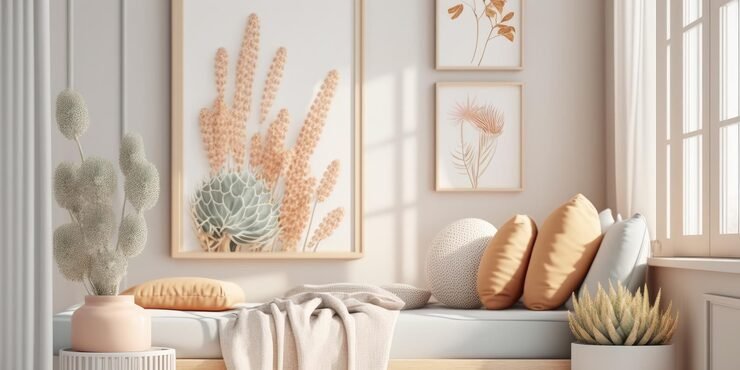

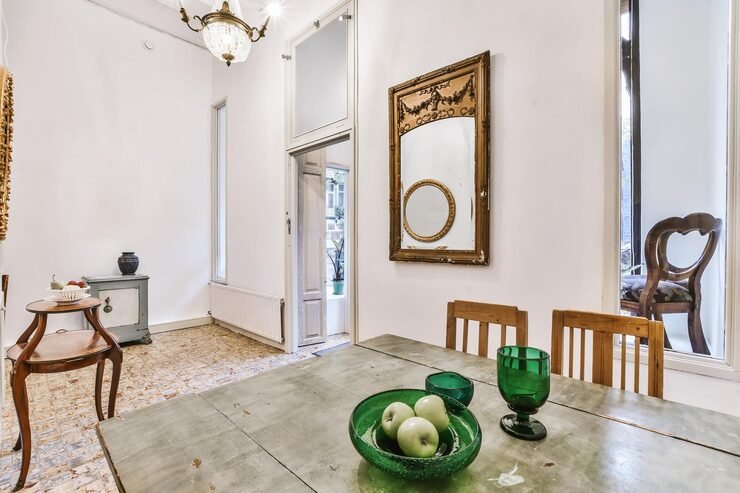
Balancing modern and traditional furniture can create a timeless, inviting space that feels both stylish and comfortable. Mixing these styles is all about harmony—combining clean lines with classic details to achieve a sophisticated look. Here’s how to blend both seamlessly in your home decor.
1. Start with a Neutral Foundation
Use a neutral color palette—think whites, grays, beiges, or soft taupes—as your base. It provides a calm backdrop that allows both modern and traditional pieces to shine together without clashing.
Source: Better Homes & Gardens
2. Choose a Dominant Style
Decide whether you want your space to lean more modern or traditional. Having one style as the dominant theme ensures visual balance while still letting elements of the other style enhance it.
Source: Apartment Therapy
3. Mix Materials and Textures
Combine sleek materials like metal, glass, or lacquered wood (modern) with rich textures like velvet, linen, or carved wood (traditional). This contrast adds depth and character to any room.
Source: House Beautiful
4. Use Statement Furniture Pieces
Let one bold piece from each style stand out—a contemporary sofa paired with a vintage armchair or an antique dining table surrounded by modern chairs. This creates a striking focal point.
Source: Elle Decor
5. Unify with Color and Pattern
Keep the overall color palette consistent to tie the styles together. Use patterns like stripes, florals, or geometrics in subtle tones to bridge traditional and modern elements.
Source: The Spruce
6. Blend Lighting Styles
Mix modern lighting fixtures—like pendant lights or minimalist floor lamps—with classic chandeliers or sconces. This combination balances old-world charm with new-age flair.
Source: Livingetc
7. Accessorize Thoughtfully
Use artwork, mirrors, and decor accents to connect the styles. For example, a modern abstract painting can complement a vintage console table beautifully.
Source: House & Garden
8. Keep Proportions Balanced
Ensure furniture scale matches—don’t overwhelm a modern minimalist room with bulky traditional pieces. Balance sleek forms with classic curves in similar proportions.
Source: HGTV
9. Incorporate Architectural Details
Add moldings, trims, or paneling for a touch of traditional architecture, then pair them with streamlined furniture for contrast.
Source: Better Homes & Gardens
10. Let Personality Lead
Ultimately, your home should reflect you. Don’t follow strict rules—blend the pieces you love and allow your personality to guide the harmony between both worlds.
Source: Apartment Therapy